 FitCi
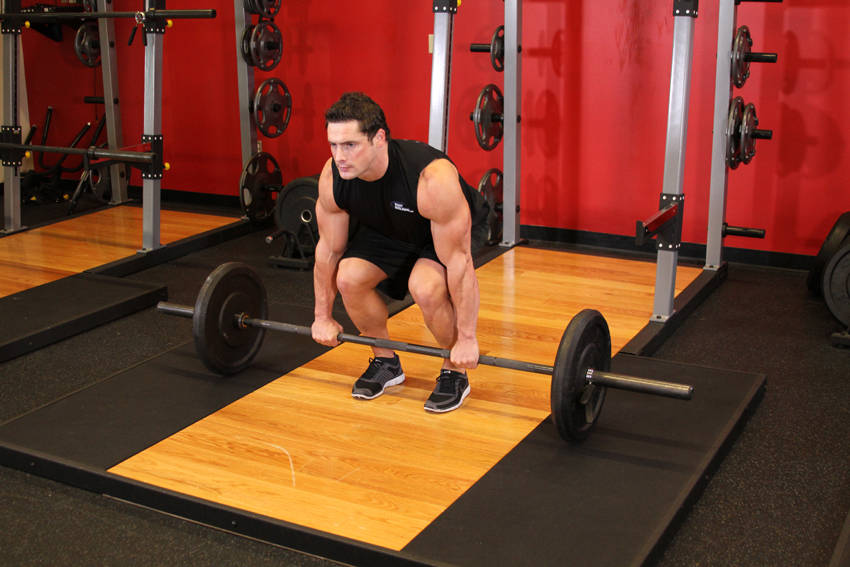
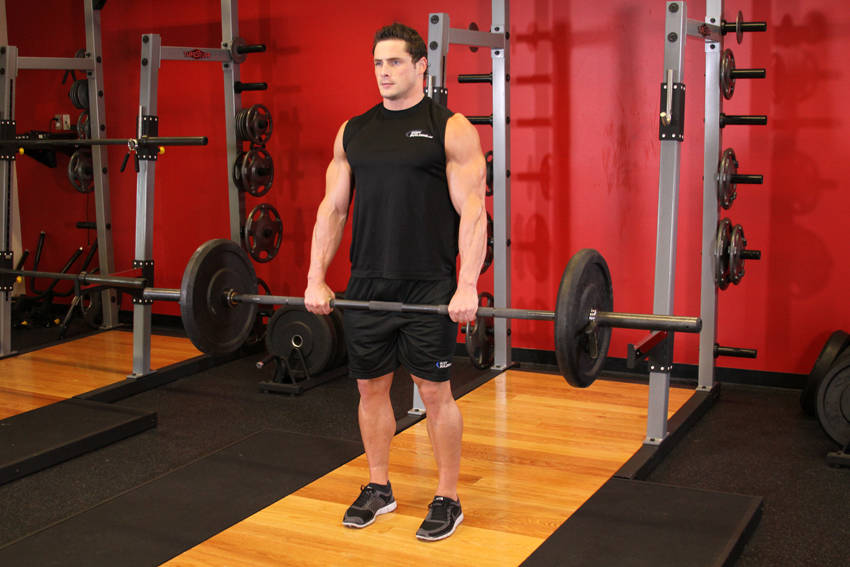
Conventional Deadlift is a compound exercise targeting the back: several joints work together, it takes heavy loading well and belongs at the start of a session. Secondary muscles: glutes, legs, forearms, core. Equipment: barbell. Difficulty: advanced, requires solid technique and training history. It takes 5 steps; the most common mistake is covered in the tip below.
Step-by-step
- Set your feet hip-width apart under the bar; the bar should sit over the middle of your feet.
- Hinge at the hips to grip the bar shoulder-width apart, keeping your back flat and your chest open.
- Position your shoulders slightly ahead of the bar and your hips above your knees.
- Drive through your heels and keep the bar close to your legs as you rise to a standing position.
- Squeeze your glutes at the top, then hinge back at the hips to lower the bar to the floor under control.
Coaching tip
Caution
How to program it
Sets × reps and rest by goal; load and long rest matter most on compound lifts. Start at the bottom of the range in week one; add 2.5–5% when you hit the top with clean form.
| Goal | Sets × Reps | Rest |
|---|---|---|
| Strength | 4 × 4-6 | 180 s |
| Muscle gain | 3 × 6-10 | 150 s |
| Fat loss / conditioning | 3 × 10-15 | 90 s |
FitCi applies this table to your age and goal automatically and writes weekly progression.
Alternatives
- At home, no equipment: Pull-Up, Chin-Up
- Same muscle, different equipment: Pull-Up, Chin-Up, Lat Pulldown
More back exercises
Add this exercise to your program
Build your own program in FitCi, pick an expert template, or photograph the plan your coach gave you; the app tracks sets, reps and weight.